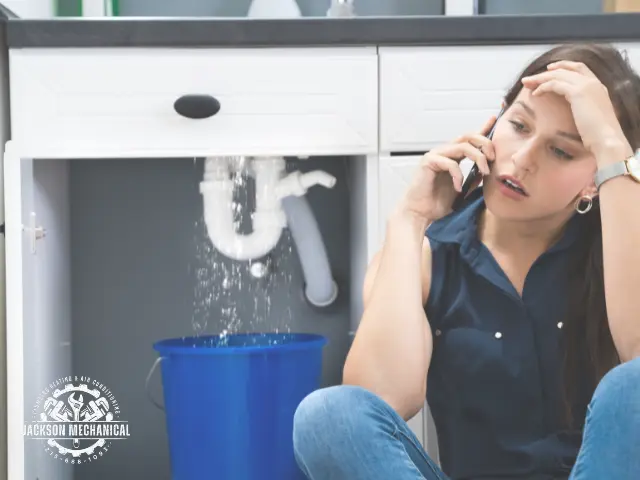
The holidays are supposed to be about family, good food, and making memories. What they’re not supposed to be about is standing ankle-deep in water while your guests pretend not to notice the panic in your eyes.
Here in Bucks County, we see it every year. The week between Christmas and New Year’s is one of the busiest times for emergency plumbing calls. More people in the house means more showers, more toilet flushes, more dishes, and more strain on systems that might already be on their last legs.
The good news? Most holiday plumbing disasters are completely preventable. This guide will walk you through exactly what to do before your guests arrive, what to avoid during the festivities, and how to handle problems if they pop up.
Before Your Guests Arrive: The Pre-Holiday Plumbing Checklist
Think of this like prepping your car before a road trip. A little attention now saves a lot of headaches later.
Know Where Your Main Water Shut-Off Valve Is
This is the single most important thing on this list. If a pipe bursts or a toilet overflows uncontrollably, you need to stop the water flow immediately. Every minute counts when water is flooding your home.
In most Bucks County homes, the main shut-off valve is in the basement, usually near the front foundation wall where the water line enters from the street. It might be a wheel-style gate valve or a lever-style ball valve. Find it now, make sure it turns (they can seize up from lack of use), and show another adult in the household where it is.
Test Your Drains Before They’re Under Pressure
A slow drain that’s been “fine” for months can become a full backup when you’re running the dishwasher while someone’s showering and another person is doing dishes by hand. Run water in every sink, tub, and shower for a minute or two. Watch how quickly it drains. If you see water pooling or draining slowly, address it now—not on Christmas morning.
For minor slow drains, try a mixture of hot water, baking soda, and vinegar. For anything more stubborn, call a professional. Chemical drain cleaners can damage pipes and often just push the clog further down the line.
Give Your Water Heater a Quick Health Check
With extra guests comes extra hot water demand. A family of four suddenly becomes eight or ten people, and everyone wants a hot shower.
Check the area around your water heater for any signs of leaking or corrosion. If your unit is more than 10 years old, be especially vigilant—that’s when most water heaters start showing their age. Listen for rumbling or popping sounds when it’s heating, which can indicate sediment buildup reducing efficiency.
If you’re expecting a full house, consider bumping your water heater temperature up a few degrees temporarily (but never above 120°F to prevent scalding). This gives you a bit more hot water capacity. Just remember to set it back afterward to save energy.
The Kitchen: Where Most Holiday Plumbing Problems Start
Your kitchen plumbing handles more abuse during the holidays than it does the entire rest of the year combined. Between Thanksgiving and New Year’s, we see a massive spike in garbage disposal failures and kitchen drain clogs. Here’s how to keep yours running.
What Should Never Go Down Your Garbage Disposal
Your garbage disposal is not a trash can. It’s designed to handle small food scraps that accidentally make it past the drain strainer, not entire plates of leftovers.
Grease, fats, and oils: This is the number one cause of holiday kitchen clogs. When you pour bacon grease or turkey drippings down the drain, they’re liquid. But as they cool in your pipes, they solidify and coat the inside walls. Over time, this buildup narrows the pipe until water can’t pass through. Instead, pour grease into a container (an old coffee can works great) and throw it in the trash once it solidifies.
Potato peels: They create a starchy paste that gums up disposal blades and clogs pipes. Same goes for pasta and rice, which expand when they absorb water.
Fibrous vegetables: Celery, asparagus, artichokes, and corn husks have stringy fibers that wrap around disposal blades and cause jams.
Bones and fruit pits: Despite what some manufacturers claim, these are too hard for most disposals to handle properly. Small chicken bones might be okay, but turkey bones, ham bones, and fruit pits should go in the trash.
Eggshells: Contrary to popular belief, eggshells don’t sharpen disposal blades. The membrane inside the shell can wrap around the grinding mechanism, and the shells themselves turn into a sand-like substance that contributes to clogs.
How to Treat Your Disposal Right During Heavy Use
When you do use the disposal, run cold water before, during, and for 15-20 seconds after grinding. Cold water keeps any fats solid so they get chopped up rather than coating your pipes. Feed scraps gradually—don’t shove everything in at once.
If your disposal starts smelling funky from all the holiday cooking, grind up a few ice cubes with a half lemon or lime. The ice helps knock debris off the blades while the citrus freshens things up.
The Bathroom: Managing the Guest Traffic
More guests means your bathrooms are working overtime. Here’s how to prevent embarrassing moments and late-night plumbing emergencies.
Space Out the Showers
This is especially important if you have an older or smaller water heater. Ask guests to wait 10-15 minutes between showers to let the tank recover. It might feel awkward to have that conversation, but it’s less awkward than someone getting hit with ice-cold water mid-shampoo.
The Toilet Talk Nobody Wants to Have
Keep a plunger in every bathroom. This sounds obvious, but you’d be surprised how many homes have one plunger tucked away in a basement closet. If a toilet starts to clog, the last thing you want is a panicked guest searching the house while water rises.
Also—and this is important—make it easy for guests to know what’s flushable. The only things that should go down the toilet are human waste and toilet paper. Not “flushable” wipes (they’re not actually flushable), not feminine products, not cotton balls or Q-tips. A small, discreet sign or a lined trash can with a lid sends the message without making anyone uncomfortable.
Watch for Running Toilets
A toilet that runs constantly or cycles on and off by itself (phantom flushing) wastes water and can indicate a failing flapper or fill valve. With extra people in the house, these issues get noticed more. If a guest mentions the toilet “sounds weird,” take it seriously and jiggle the handle or check under the tank lid.
If Something Goes Wrong: Quick Fixes and When to Call for Help
Even with the best preparation, plumbing problems can still happen. Here’s how to handle the most common holiday emergencies.
Clogged Toilet
Don’t keep flushing—you’ll overflow the bowl. Use a flange plunger (the kind with an extended rubber flap), create a seal over the drain opening, and plunge with firm, controlled strokes. It usually takes 10-15 good plunges to clear a standard clog. If the clog won’t budge after several attempts, stop and call a plumber before you make things worse.
Garbage Disposal Jam
First, turn off the disposal and never put your hand inside. Look under the unit for a small hex key slot (most disposals come with an Allen wrench for this purpose). Insert the wrench and manually rotate the blades back and forth to free the jam. Once cleared, press the reset button (usually a small red button on the bottom of the unit) and test with cold water running.
No Hot Water
Check the pilot light (for gas water heaters) or the circuit breaker (for electric). If the pilot is out, follow your manufacturer’s instructions to relight it. If the breaker tripped, reset it once—if it trips again immediately, you have an electrical issue that needs professional attention.
If neither of those is the issue and you simply ran out of hot water from overuse, you’ll just need to wait 30-60 minutes for the tank to recover.
When to Skip the DIY and Call a Pro
Some situations require professional help right away. Call a plumber immediately if you notice water coming up through floor drains (indicates a main sewer line blockage), sewage smell anywhere in your home, water leaking from the ceiling or walls, or a burst pipe. These issues can cause serious water damage quickly, and attempting DIY repairs usually makes things worse.
The Bottom Line
Holiday plumbing disasters don’t have to ruin your celebrations. A little preparation goes a long way: test your drains, locate your shut-off valve, brief guests on bathroom etiquette, and be mindful of what goes down the kitchen sink.
If you’re reading this and realizing your plumbing already has some issues that need attention before the holiday rush, don’t wait. A slow drain or finicky toilet that’s “manageable” now can become a full-blown emergency when your house is full of guests.
Jackson Mechanical is here for Bucks County and Montgomery County homeowners—for pre-holiday checkups and for emergency calls when things don’t go according to plan. Give us a call at (215) 688-1093 if you need us. We’d rather help you prevent a disaster than clean up after one.
Happy holidays from our family to yours.
Quick Reference: Your Holiday Plumbing Checklist
Before guests arrive: Locate main water shut-off valve, test all drains for slow drainage, check water heater for leaks or unusual sounds, place plungers in all bathrooms, and empty garbage disposal of any residue.
During the festivities: Never pour grease down drains, run cold water when using disposal, space out showers by 10-15 minutes, keep “flushable” wipes out of toilets, and scrape plates into trash before rinsing.
Emergency numbers to have ready: Save Jackson Mechanical’s number (215) 688-1093 in your phone before you need it. Plumbing emergencies never happen at convenient times, and having the number ready means one less thing to worry about if something goes wrong.