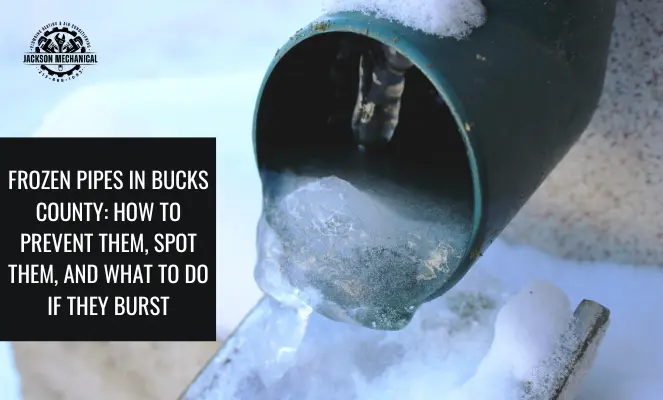
It’s a freezing January morning in Doylestown, and you turn on the kitchen faucet to make coffee. Nothing comes out but a trickle. Your stomach drops. You know exactly what this means: frozen pipes.
If you’ve experienced this moment of dread, you’re not alone. Frozen pipes are one of the most common and costly winter plumbing emergencies for Bucks County homeowners. When temperatures plunge below 20°F—which happens multiple times every winter from Warminster to Quakertown—the water inside your pipes can freeze, expand, and potentially burst, causing thousands of dollars in water damage.
You’ve probably tried the usual advice: leaving a faucet dripping, opening cabinet doors, maybe even pointing a space heater at the pipes under your sink. But if you’re reading this, those quick fixes either haven’t worked, or you’re worried they won’t be enough when the next polar vortex sweeps through the Delaware Valley.
In this guide, we’ll explain exactly why pipes freeze in Bucks County homes, the real causes behind pipe bursts (it’s not what most people think), how to identify frozen pipes before they become a disaster, and what to do if the worst happens. With over 15 years of experience serving homeowners throughout Doylestown, Newtown, Yardley, and the surrounding areas, Nick Jackson and the Jackson Mechanical LLC team have seen firsthand the devastation that burst pipes can cause—and we’ve helped hundreds of families prevent it.
What You’ll Learn
- What causes pipes to freeze in Bucks County homes
- The real reason pipes burst (and why it’s not where you’d expect)
- How to identify frozen pipes before they burst
- Prevention strategies that actually work for Pennsylvania winters
- What to do if your pipes freeze or burst
- When to call a professional plumber
What Are Frozen Pipes and Why Should Bucks County Homeowners Care?
Frozen pipes occur when water inside your plumbing system freezes due to exposure to cold temperatures. While water freezes at 32°F, research from the University of Illinois Building Research Council shows that pipes typically begin forming ice when outdoor temperatures drop below 20°F—a threshold Bucks County crosses regularly from late November through March.
Here’s why this matters: When water freezes, it expands by approximately 9%. Inside the confined space of a pipe, this expansion creates enormous pressure—enough to rupture copper, PVC, and even steel pipes. The result can be catastrophic water damage to your home’s structure, flooring, walls, and personal belongings.
Common Signs Your Pipes May Be Frozen:
- Little or no water flow when you turn on a faucet
- Frost or condensation visible on exposed pipes
- Unusual odors coming from drains (blocked ice can trap sewer gases)
- Bulging or cracked sections of visible pipe
- Clanking or whistling sounds in your plumbing
The financial stakes are significant. According to insurance industry data, the average water damage claim from burst pipes exceeds $10,000. About 1 in 60 insured homes files a water or freezing damage claim each year, making it the second most common type of homeowners insurance claim nationwide. For Bucks County residents, this risk is especially acute during the coldest periods—typically mid-to-late December, early January, and late January—when temperatures can remain below freezing for extended periods.
The good news? With proper prevention and quick action, most frozen pipe disasters are entirely avoidable. Understanding why pipes freeze in the first place is the critical first step.
The Real Causes Behind Frozen and Burst Pipes
Most homeowners assume that pipes burst at the exact spot where ice forms. This is actually a misconception that leads to ineffective prevention strategies. In Nick’s 15+ years serving Doylestown and Bucks County homes, he’s found that understanding the real mechanics of pipe bursts is essential for effective prevention.
The Science of How Pipes Actually Burst
When water freezes inside a pipe, it doesn’t just expand outward against the pipe walls. The expanding ice creates a blockage that traps water between the ice plug and a closed faucet downstream. As the ice continues to expand, it pushes this trapped water, building pressure in the section of pipe between the blockage and the fixture. This pressure—not the ice itself—is what causes the pipe to fail.
This is why pipes often burst in locations where no ice has formed at all. The rupture typically occurs in the pressurized section downstream from the ice blockage, sometimes several feet away from where the freezing actually happened.
Temperature Thresholds and Bucks County’s Climate
Bucks County has a humid continental climate with four distinct seasons. Winters are cold with average January lows around 22°F and highs near 39°F. However, during cold snaps, overnight temperatures regularly drop into the single digits and teens—well below the 20°F threshold where pipe freezing becomes a serious concern.
According to weather data, the coldest periods in Bucks County typically occur in mid-to-late December and again in late January. These are the highest-risk windows for frozen pipes. When temperatures drop below 20°F for six or more consecutive hours, unprotected pipes in vulnerable locations can freeze completely.
High-Risk Areas in Your Home
Not all pipes are created equal when it comes to freeze risk. In our experience serving homes from Warrington to Langhorne, we consistently find frozen pipes in these locations:
Unheated Spaces: Pipes in basements, crawl spaces, attics, and garages are particularly vulnerable because they don’t benefit from your home’s heating system. Even a basement that feels “warm enough” can have cold pockets where pipes run along exterior walls.
Exterior Walls: Pipes that run through exterior walls—especially on north-facing sides—are exposed to colder temperatures. Many older Bucks County homes have minimal insulation in these walls, making the pipes inside them essentially outdoor pipes.
Under Kitchen and Bathroom Cabinets: Plumbing under sinks on exterior walls is often hidden behind closed cabinet doors, preventing warm air from reaching the pipes. This is one of the most common locations for frozen pipes in Doylestown and Newtown homes.
Outdoor Faucets and Hose Bibs: These fixtures extend through the exterior wall and are directly exposed to freezing temperatures. If not properly winterized, they can freeze quickly and cause damage to the pipe inside the wall.
Historic Homes: A Special Challenge for Bucks County
Bucks County is home to many beautiful historic and colonial-era properties, particularly in communities like New Hope, Doylestown, and Buckingham. While these homes have tremendous character, they often present unique plumbing challenges:
- Original plumbing routes that weren’t designed with freeze prevention in mind
- Minimal wall insulation compared to modern construction standards
- Unfinished basements and crawl spaces with exposed pipes
- Older pipe materials that may be more susceptible to damage
We’ve found that Bucks County homeowners with historic properties need to take extra precautions during cold weather, as their pipes may be more vulnerable than those in newer construction.
Wind Chill and Its Hidden Impact
Research from the University of Illinois has shown that wind chill significantly accelerates pipe freezing. Cold air flowing across pipes—through cracks in foundation walls, around poorly sealed windows, or through gaps in exterior walls—can cause pipes to freeze much faster than the outdoor temperature alone would suggest. This is why the Delaware Valley’s winter winds make proper sealing and insulation so critical.
How to Identify Frozen Pipes in Your Bucks County Home
Early detection of frozen pipes can mean the difference between a minor inconvenience and a major water damage disaster. Here’s how to identify frozen pipes before they have a chance to burst.
Step 1: Check Your Faucets
During cold weather, make it a habit to turn on faucets throughout your home each morning—especially those served by pipes in vulnerable locations. If only a trickle comes out, or nothing at all, you likely have a frozen pipe. Check all faucets, because if one pipe is frozen, others may be too.
Step 2: Visually Inspect Exposed Pipes
For pipes you can see in basements, crawl spaces, or under cabinets, look for these warning signs: frost or ice crystals on the pipe exterior, visible bulging or distortion in the pipe shape, cracks or splits (even hairline), and condensation or moisture around pipe joints.
Step 3: Listen for Warning Sounds
Your plumbing system can give audible clues that something is wrong. Clanking or banging sounds when you turn on water, whistling noises from pipes, and gurgling sounds from drains can all indicate partial ice blockages.
Step 4: Notice Unusual Odors
If you detect sewer or musty smells coming from your drains, it could indicate a frozen blockage that’s preventing proper venting. The ice is essentially creating a seal that traps odors that would normally escape through the vent stack.
When to Take Immediate Action
If you identify a frozen pipe, time is critical. The longer the pipe remains frozen, the more pressure builds, and the greater the risk of rupture. Take action immediately using the thawing methods described below, or call Jackson Mechanical at (215) 688-1093 for emergency assistance.
How to Prevent and Fix Frozen Pipes
Prevention is always more cost-effective than repair. Here are proven strategies for both preventing frozen pipes and safely thawing them if they do freeze.
Prevention Strategies That Work
Insulate Vulnerable Pipes: Pipe insulation sleeves or wraps are inexpensive (often just a few dollars per foot) and highly effective. Focus on pipes in unheated areas like basements, attics, crawl spaces, and garages. For pipes in extremely cold areas, consider UL-listed heat tape or heat cable, which provides active warmth to prevent freezing.
Seal Air Leaks: Cold air infiltration is a major cause of frozen pipes. Seal gaps and cracks around pipe penetrations, windows, doors, and at the sill plate where your home meets its foundation. Pay special attention to the rim joist area in your basement, which is a common source of cold air infiltration in Bucks County homes.
Winterize Outdoor Faucets: Before the first freeze, disconnect all garden hoses and store them inside. Shut off the interior valve that supplies outdoor faucets, then open the outdoor faucet to drain any remaining water. Leave the outdoor faucet open slightly so any water that does get in can expand without bursting the pipe. Insulated faucet covers provide an additional layer of protection.
Maintain Adequate Heat: Keep your thermostat set to at least 55°F, even when you’re away from home. This is especially important if you travel during winter. Maintaining a consistent temperature—rather than significantly lowering the thermostat at night—reduces the risk of pipes freezing during the coldest overnight hours.
Open Cabinet Doors: During extreme cold snaps, open kitchen and bathroom cabinet doors to allow warm air to circulate around pipes on exterior walls. This simple step can make a significant difference, especially for sinks on north-facing walls.
Let Faucets Drip: When temperatures drop into the single digits or low teens, allow faucets served by vulnerable pipes to drip slightly. Moving water is less likely to freeze, and the open faucet relieves pressure that would otherwise build up if ice does form. Yes, this uses a bit more water, but it’s far less expensive than repairing burst pipe damage.
How to Safely Thaw Frozen Pipes
If you discover a frozen pipe that hasn’t burst, follow these steps to thaw it safely:
- Keep the faucet open. As you apply heat and the ice begins to melt, water needs somewhere to go. Keeping the faucet open allows water to flow through and helps melt remaining ice.
- Apply heat gently. Use an electric heating pad wrapped around the pipe, a hair dryer, or a portable space heater (kept away from flammable materials). You can also wrap the pipe in towels soaked in hot water. Apply heat starting from the faucet end and work your way toward the frozen section.
- Continue until full pressure is restored. Don’t stop heating when you see the first trickle of water. Continue until normal water flow returns.
- Check other faucets. If one pipe froze, others may have too. Test all faucets throughout your home.
NEVER use an open flame, blowtorch, propane heater, or charcoal stove to thaw pipes. These methods can damage pipes, create a fire hazard, or produce carbon monoxide.
What to Do If a Pipe Bursts
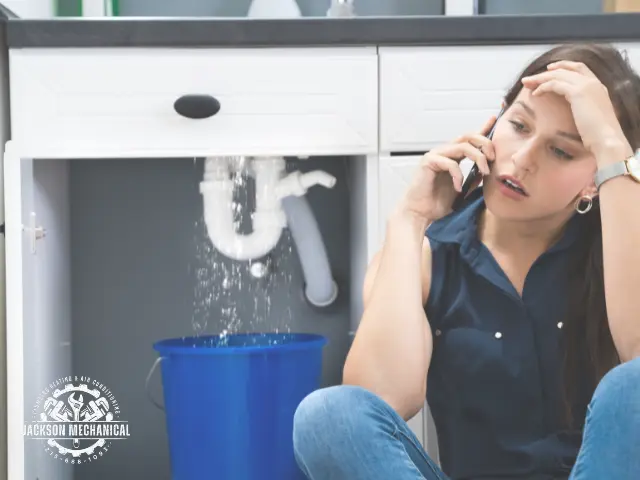
If the worst happens and a pipe does burst, act quickly to minimize damage:
- Shut off the main water supply immediately. Every household member should know where the main shutoff valve is located—usually near the water meter or where the main line enters your home.
- Turn off electricity in affected areas if water is near electrical components. Safety first.
- Call a licensed plumber. Jackson Mechanical offers 24/7 emergency service throughout Bucks County. Call (215) 688-1093 for immediate assistance.
- Document the damage. Take photos and videos of all affected areas for your insurance claim. Keep any failed pipe sections as evidence.
- Begin water removal. If safe to do so, start mopping up water and moving belongings away from affected areas to prevent further damage.
- Contact your insurance company. Most homeowners policies cover sudden water damage from burst pipes, but you need to report it promptly.
Why Bucks County Homeowners Trust Jackson Mechanical
When you’re dealing with a plumbing emergency—especially one involving potential water damage—you need a contractor who responds quickly, communicates clearly, and fixes the problem right the first time.
Jackson Mechanical LLC is a family-owned HVAC and plumbing contractor headquartered in Doylestown. Since 2023, owner Nick Jackson has built a reputation throughout Bucks County for honest service, transparent pricing, and genuine care for customers’ homes.
What Sets Us Apart:
24/7 Emergency Service: Pipes don’t burst on a convenient schedule. That’s why we offer around-the-clock emergency response throughout Doylestown, Warminster, Newtown, Yardley, Langhorne, and all of Bucks County.
Same-Day Response: We understand that plumbing emergencies can’t wait. When you call, we respond quickly—often the same day.
Transparent Pricing: No hidden fees or surprise costs. Nick explains all pricing before work begins, so you know exactly what to expect.
Licensed and Insured: PA License PA191038. BBB Accredited with an A Rating. You’re protected when you work with us.
Owner Involvement: Nick personally manages scheduling and oversees every project. You’re not just a number—you’re a neighbor.
Proven Track Record: 4.9/5 star rating with over 150 Google reviews. Our customers consistently describe us as honest, responsive, and professional.
As one satisfied customer put it: “They were honest and did the job right. Up front and transparent for the work and cost.”
Frequently Asked Questions About Frozen Pipes
At what temperature do pipes freeze in Pennsylvania?
While water freezes at 32°F, pipes typically don’t freeze until outdoor temperatures drop below 20°F. Research from the University of Illinois Building Research Council found that uninsulated pipes in unconditioned spaces begin forming ice when outdoor temperatures reach 20°F or below. In Bucks County, this threshold is crossed multiple times each winter, making pipe protection essential for all homeowners. The risk increases significantly when temperatures remain below 20°F for six or more consecutive hours, which commonly occurs during January cold snaps.
How long does it take for pipes to freeze and burst?
There’s no single answer, as it depends on the temperature, pipe location, insulation level, and air flow around the pipes. At temperatures below 20°F, uninsulated pipes can begin freezing within six hours. Between 20°F and 32°F, freezing typically takes 12 hours or more. However, pipes don’t burst immediately upon freezing. The burst occurs when pressure builds in the section of pipe between the ice blockage and a closed fixture. Some frozen pipes never burst at all if thawed before pressure becomes critical.
Will homeowners insurance cover burst pipe damage?
Most homeowners insurance policies cover sudden, accidental water damage from burst pipes, including damage to walls, floors, ceilings, and personal belongings. However, there are important caveats: Insurance typically won’t cover the cost of repairing the pipe itself, only the resulting water damage. Claims may be denied if the insurer determines you were negligent—for example, if you left your home unheated during freezing weather. Always maintain adequate heat (55°F minimum) when away, and document any damage thoroughly with photos and videos for your claim.
How much does it cost to repair a burst pipe in Doylestown?
The cost to repair the pipe itself typically ranges from $150 to $500 for straightforward repairs, though complex situations can run higher. However, the bigger expense is usually water damage restoration, which averages $10,000 or more according to insurance industry data. This includes drying out affected areas, replacing damaged drywall, flooring, and insulation, and preventing mold growth. Quick action when a pipe bursts significantly reduces total costs by limiting water damage.
Can I thaw frozen pipes myself?
Yes, if the frozen section is accessible and the pipe hasn’t burst yet. Use gentle heat sources like a hair dryer, electric heating pad, or towels soaked in hot water. Keep the faucet open while thawing to relieve pressure and allow water to flow. Never use open flames, blowtorches, or propane heaters, as these can damage pipes or create fire and carbon monoxide hazards. If you can’t locate the frozen section, can’t safely access it, or can’t thaw it yourself, call Jackson Mechanical at (215) 688-1093.
How do I find the main water shutoff valve in my home?
The main water shutoff valve is typically located where the main water line enters your home. In most Bucks County homes, this is in the basement, crawl space, or utility area near the water meter. It may be a wheel-style gate valve or a lever-style ball valve. We recommend locating this valve before an emergency occurs and ensuring all household members know where it is. If you can’t find it or it’s difficult to operate, Jackson Mechanical can help identify and service your shutoff valve.
Should I let my faucets drip during cold weather?
Yes, during extreme cold (below 20°F), allowing faucets served by vulnerable pipes to drip slightly is an effective prevention strategy. Moving water is less likely to freeze than standing water. Additionally, the open faucet relieves pressure that would otherwise build up between an ice blockage and the closed fixture—this pressure relief is actually the more important benefit. Focus on faucets on exterior walls and those served by pipes in unheated spaces. The small increase in your water bill is insignificant compared to the cost of burst pipe repairs.
What areas of Bucks County does Jackson Mechanical serve?
Jackson Mechanical provides emergency plumbing and HVAC services throughout Bucks County and select areas of Montgomery County. This includes Doylestown, Warminster, Warrington, Newtown, Yardley, New Hope, Buckingham, Langhorne, Levittown, Bristol, Morrisville, Perkasie, Sellersville, Quakertown, Richboro, Southampton, Furlong, Horsham, Willow Grove, Hatboro, Ambler, and surrounding communities. We offer 24/7 emergency service to all these areas.
How can I prevent pipes from freezing when I’m away on vacation?
Before leaving for an extended trip during winter, take these precautions: Keep your thermostat set to at least 55°F—never turn off the heat completely. Have someone check on your home every day or two during extreme cold. Open cabinet doors to allow warm air to reach pipes under sinks. Shut off the main water supply and drain the system if you’ll be away for an extended period. Consider installing a smart thermostat or water leak detector that can alert you to problems remotely.
When should I call a professional instead of trying to thaw pipes myself?
Call a professional plumber if: you can’t locate the frozen section, the frozen area is inside a wall or ceiling and not accessible, you’ve tried thawing and can’t restore water flow, you see signs of a crack or rupture, water is leaking anywhere, you smell gas or see electrical hazards near the frozen pipe, or multiple pipes are frozen simultaneously. Jackson Mechanical offers 24/7 emergency service and same-day response for frozen and burst pipe emergencies throughout Bucks County.
Protect Your Bucks County Home from Frozen Pipes
Frozen pipes are a serious winter hazard for homeowners throughout Doylestown and Bucks County, but with proper preparation and quick action, most disasters are preventable.
Key Takeaways:
- Pipes begin freezing when outdoor temperatures drop below 20°F
- Insulate vulnerable pipes in basements, crawl spaces, attics, and along exterior walls
- Winterize outdoor faucets before the first freeze
- Keep your thermostat at 55°F or higher, even when away
- During extreme cold, let faucets drip and open cabinet doors
- Know where your main water shutoff valve is located
- Act immediately if you suspect frozen pipes—time is critical
If you’re dealing with a frozen or burst pipe right now, or want to have your home’s plumbing assessed for freeze risk, Jackson Mechanical is here to help.
Call (215) 688-1093 for same-day service or 24/7 emergency response.
We serve homeowners throughout Doylestown, Newtown, Warminster, Yardley, New Hope, Langhorne, and all of Bucks County with honest, professional plumbing service. No hidden fees, no pressure tactics—just quality workmanship from a family-owned business that treats your home like our own.